
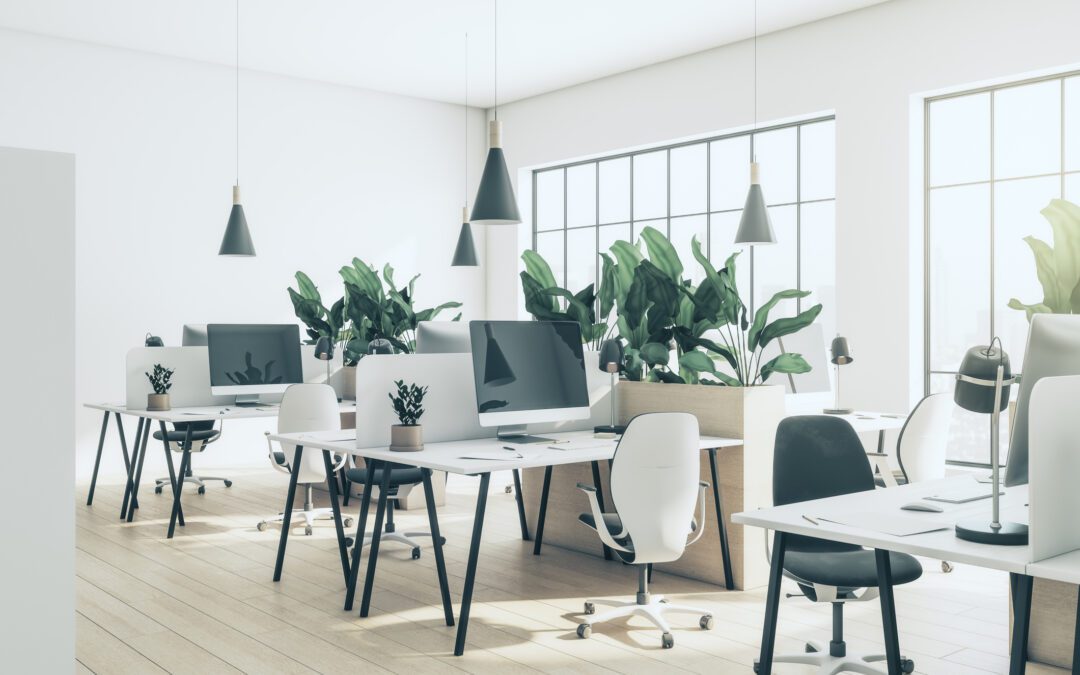
In the dynamic realm of business, the workplace environment significantly influences employee productivity, well-being, and overall job satisfaction. Among the various factors to consider, the quality of office lighting is often underestimated but plays a critical role.
Working in a poorly lit office affects not only illumination but also mood, motivation, and cognitive abilities. This blog aims to delve into the essential role of natural daylight in the workplace, highlighting its impact on different aspects of professional life. Additionally, it introduces a range of customized daylighting solutions and services crafted to optimize office spaces, promoting improved well-being and productivity.
The Impact of Dim Spaces
Dimly lit environments have a profound impact on our well-being and productivity. Inadequate lighting can lead to decreased energy levels, reduced focus, and even affect our mood. Understanding the consequences of working in a poorly lit space is crucial for both business owners and commercial real estate owners. By recognizing the significance of proper lighting, we can take proactive steps to create brighter, more inviting workspaces that promote employee well-being and enhance overall productivity.
Decreased Productivity and Focus
Insufficient lighting in the workplace can have a notable impact on employees’ productivity and concentration. Studies have demonstrated that exposure to natural light not only boosts alertness but also enhances cognitive function. This is attributed to its influence on the body’s internal clock, helping regulate sleep-wake patterns. When individuals are exposed to ample natural light during the day, they tend to experience improved focus and mental clarity. As a result, incorporating daylighting solutions in office spaces becomes imperative for sustaining a dynamic and efficient work environment that fosters optimal performance. Recognizing this, businesses and commercial property owners are increasingly turning to tailored daylighting solutions to create brighter, more invigorating workspaces that promote employee well-being and elevate overall productivity.
Effect on Mood and Well-being
Inadequate illumination in indoor spaces can significantly impact individuals’ mood and well-being, potentially leading to symptoms associated with Seasonal Affective Disorder (SAD) in susceptible individuals. According to studies, it’s estimated that about 10% of the population in Minnesota experiences some form of SAD. The lack of natural light during the long winter months can lead to symptoms of depression, fatigue, and changes in sleep patterns for many individuals in the state. As a result, there is a heightened awareness of the importance of access to natural light and the implementation of daylighting solutions, especially in work and living environments, to mitigate the effects of SAD.
The presence of natural light plays a crucial role in regulating our circadian rhythms, which govern our sleep-wake cycles. This regulation not only promotes better sleep quality but also contributes to overall mental well-being. Exposure to natural light triggers the release of serotonin, a neurotransmitter linked to mood elevation and feelings of well-being. Consequently, a well-lit environment can positively influence the psychological state of occupants, creating a more uplifting and conducive atmosphere for work and productivity.
Harnessing the Power of Daylighting Solutions
Implementing effective daylighting solutions in offices is a game-changer. Daylight improves work in several distinct ways. It not only creates a more visually appealing and inviting space but also has a positive impact on employee morale and satisfaction. Natural light promotes a sense of connection to the outside world, reducing feelings of isolation that can occur in artificially lit environments. Additionally, exposure to natural light has been linked to improved mood and reduced stress levels, leading to a more harmonious and motivated workforce. By investing in tailored daylighting solutions, you’re not just enhancing the physical environment but also investing in the overall well-being and productivity of your team.
Tailored Daylighting Solutions for Offices
Investing in professional daylighting services ensures that the unique needs of office spaces are met. From strategically placing windows and skylights to utilizing advanced technologies like tubular daylighting devices (TDDs), these services optimize natural light exposure. Professionals with expertise in daylighting can conduct comprehensive assessments to determine the most effective solutions for your specific office layout and design. They consider factors such as building orientation, window placement, and the use of reflective surfaces to maximize the penetration of natural light deep into the space. Additionally, they can recommend advanced systems like TDDs, which capture and distribute sunlight even in areas far from exterior walls. This tailored approach ensures that your office benefits from the full potential of natural light, creating a brighter, more inviting, and productive workspace.
Boosting Property Appeal for Owners
For commercial real estate owners, offering well-lit office spaces is a compelling selling point. It can significantly enhance the attractiveness of the property to potential renters or buyers, setting it apart in a competitive market. Bright, naturally lit spaces are not only aesthetically pleasing but also demonstrate a commitment to creating a conducive work environment. This can lead to higher tenant satisfaction, longer lease durations, and even premium rental rates. Additionally, energy-efficient daylighting solutions can be seen as a forward-thinking, sustainable feature, aligning with the growing demand for environmentally conscious workspaces. By investing in quality daylighting solutions, commercial real estate owners can enhance the overall value and desirability of their properties, ultimately leading to a more successful and profitable investment.
The Path to a Brighter Future
Understanding the impact of a poorly lit office is crucial for creating a more productive and enjoyable workspace. Prioritizing tailored daylighting solutions and services for offices empowers business owners and commercial real estate owners to transform their spaces into vibrant, energy-efficient environments. This not only supports the well-being of occupants but also cultivates an atmosphere conducive to success.
For more information on the importance of daylighting in office environments and how it can be customized to meet your specific needs, don’t hesitate to get in touch with Daylight Specialists. As industry leaders, we specialize in providing innovative daylighting solutions and services that are tailored to enhance the well-being and productivity of occupants. With our expertise, you can transform your workspace into an environment that not only fosters productivity but also prioritizes the mental and physical well-being of those who work within it. Reach out to us today and let’s illuminate the path to a brighter, more productive office space.