
Parks + Recreation
Daylighting for Parks + Recreation
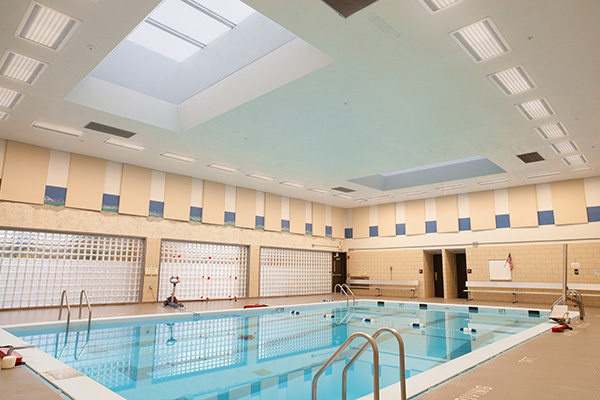
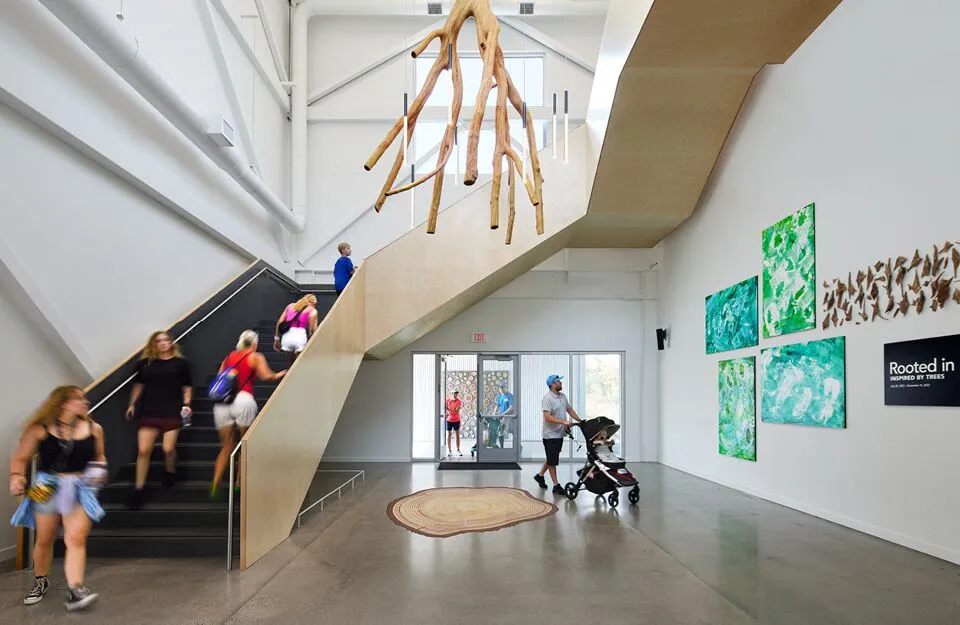
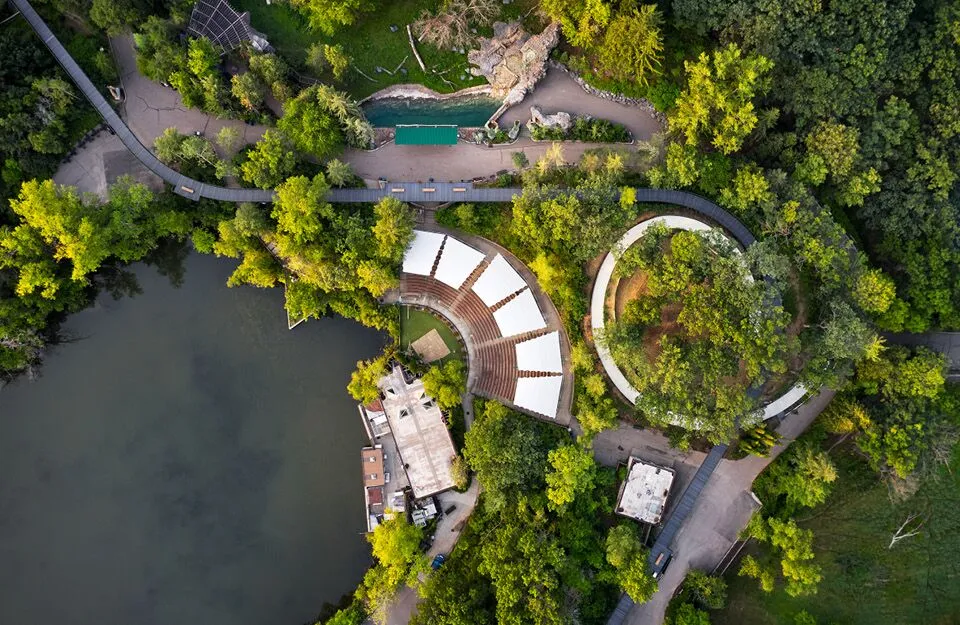
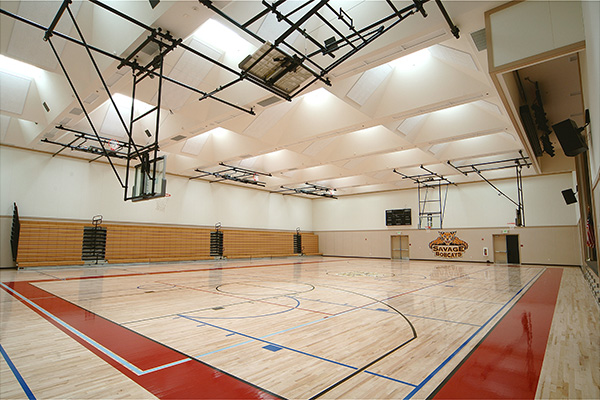
Daylighting and long-life LEDs in public spaces such as transportation facilities, parks, recreational buildings, and trail systems can provide a solution for lighting these facilities in an environmentally conscious, cost-effective manner.
At Daylight Specialists, we can demonstrate how these and other daylighting solutions lower energy costs, reduce your building’s carbon footprint, and create a happier, healthier, safer environment for the public.
Why Choose Daylighting
With interior daylight systems, we can harness the sun’s natural, beautiful, healthful light while reducing electricity and maintenance costs and improving public experience. The effective use of daylighting can:
- Add brightness and openness to interior spaces
- Support the physical and emotional health of visitors and employees
- Enhance visitor experiences
- Reduce reliance on electricity
- Reduce environmental impact
- Improve visibility
- Reduces energy and maintenance costs
- Supports green building objectives
- Reinforce the natural environment in and around park and recreation buildings
Benefits of Daylighting For Parks & Recreational Spaces
Parks, recreation buildings and facilities, and trail systems are operated and maintained by cities to provide healthy, fun, community-based activities for residents and visitors. At Daylight Specialists, we can deliver natural daylight into park buildings, consistent with the natural elements of the park. In addition, LED lights can be integrated with daylight and motion sensors, preventing wasted energy during times of non-occupancy. These smart wireless lighting systems allow cities to control and maintain lighting of parks and recreation buildings with minimal labor and cost.
Transportation facilities such as bus stations, light rails, and airports can benefit from daylighting solutions by reduced energy costs while providing a secure and aesthetically pleasing environment for passengers. Effective lighting creates a sense of openness and safety for everyone passing through.
Additionally, daylighting creates a safer environment by improving visibility. This is particularly helpful for older visitors. According to the Illuminating Engineering Society, people aged 55 and older require lighting that is 2.3 times stronger than their 25-year-old counterparts.
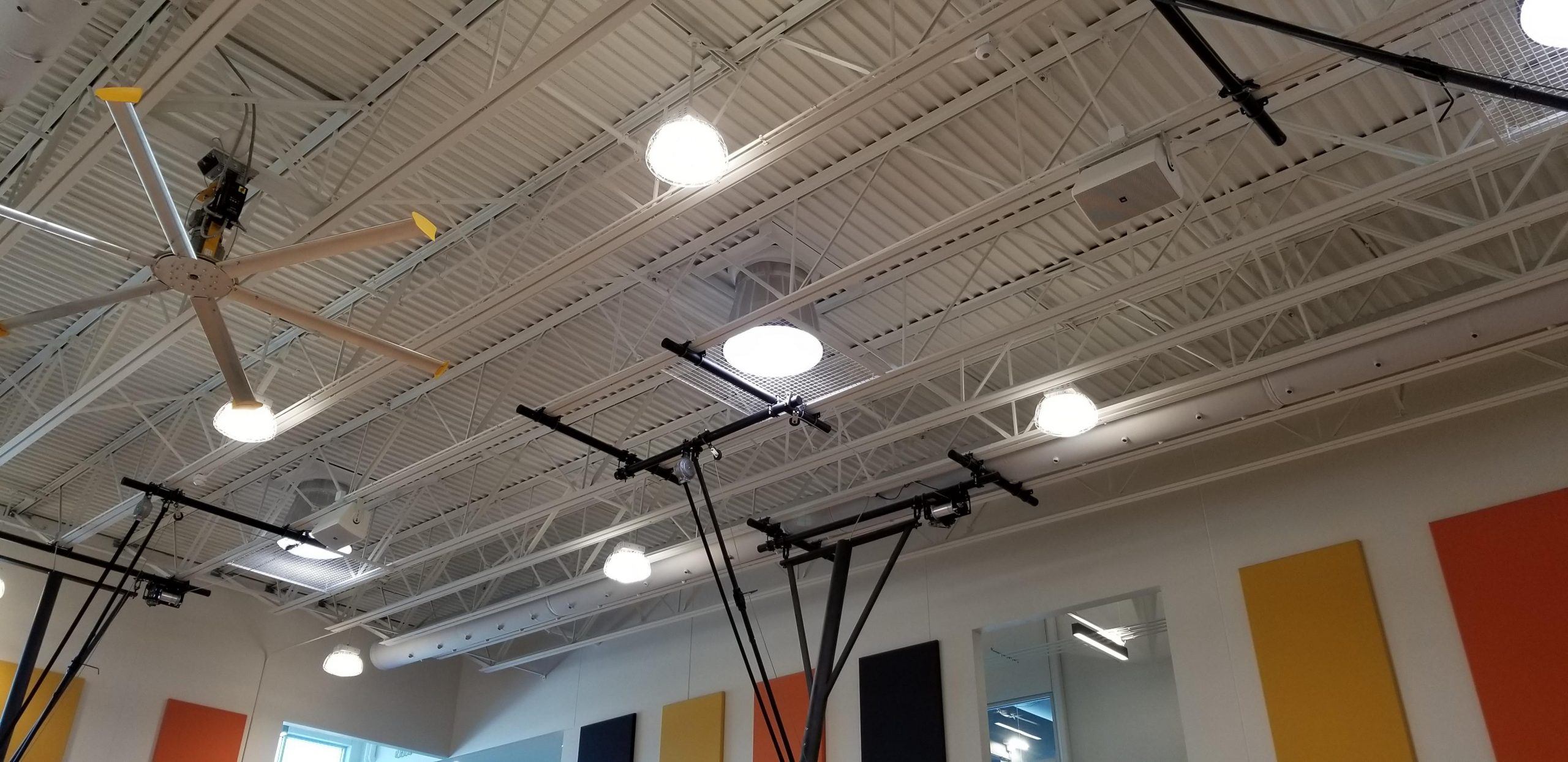
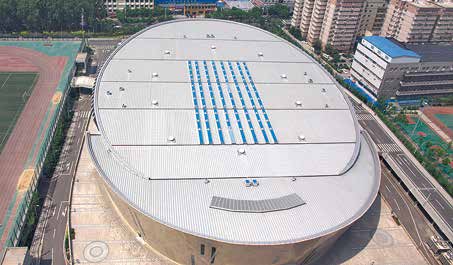
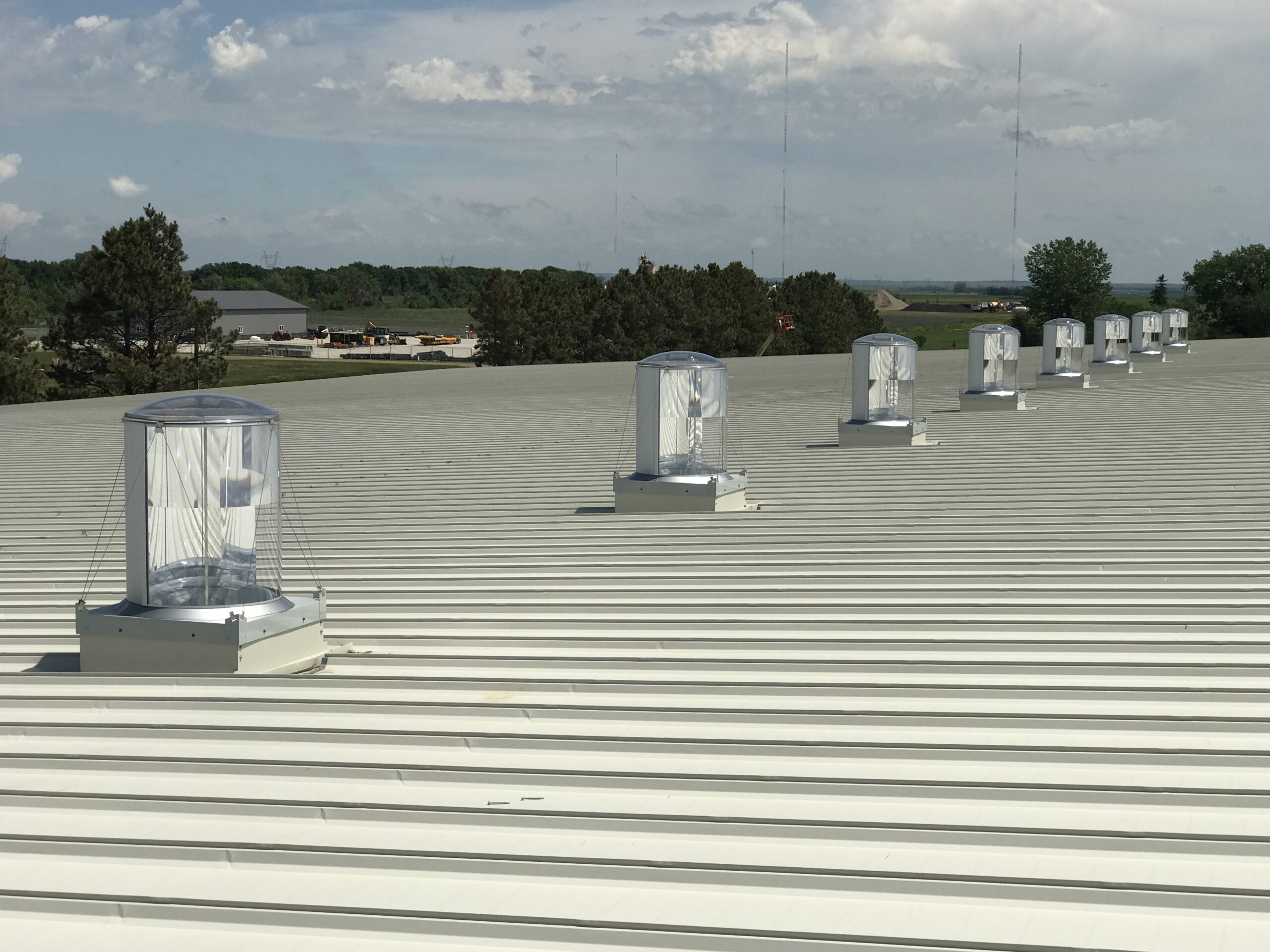
Daylight Specialists Gallery
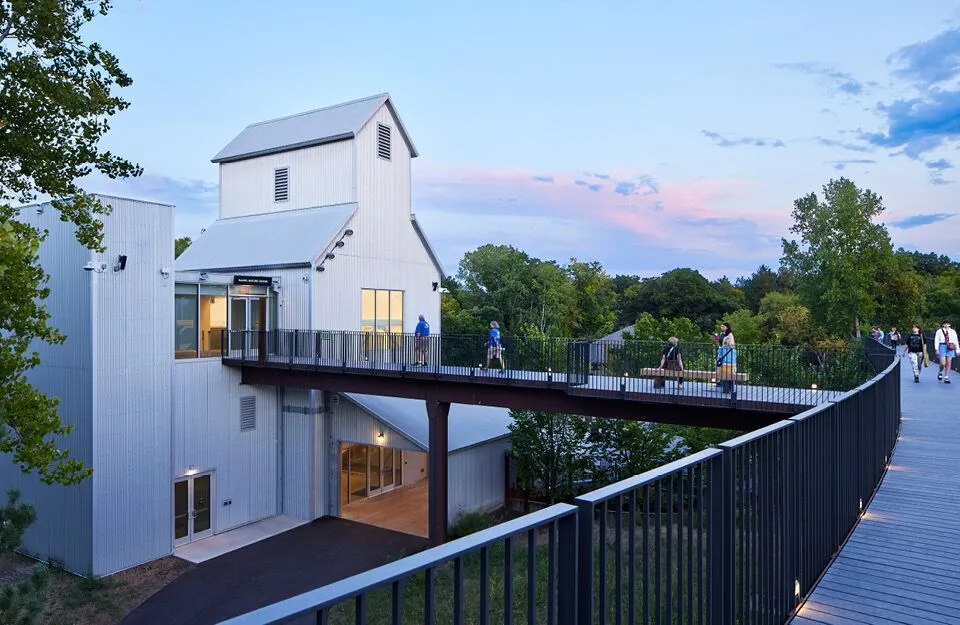
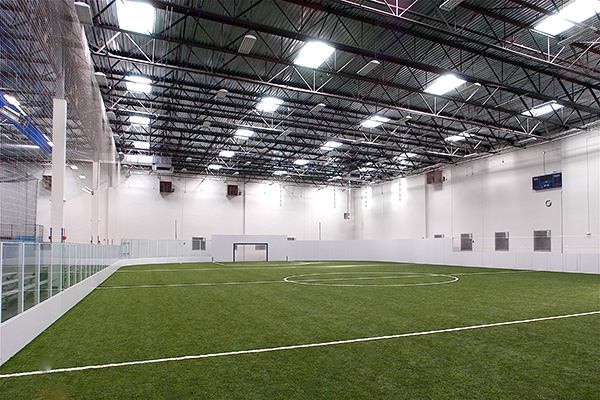
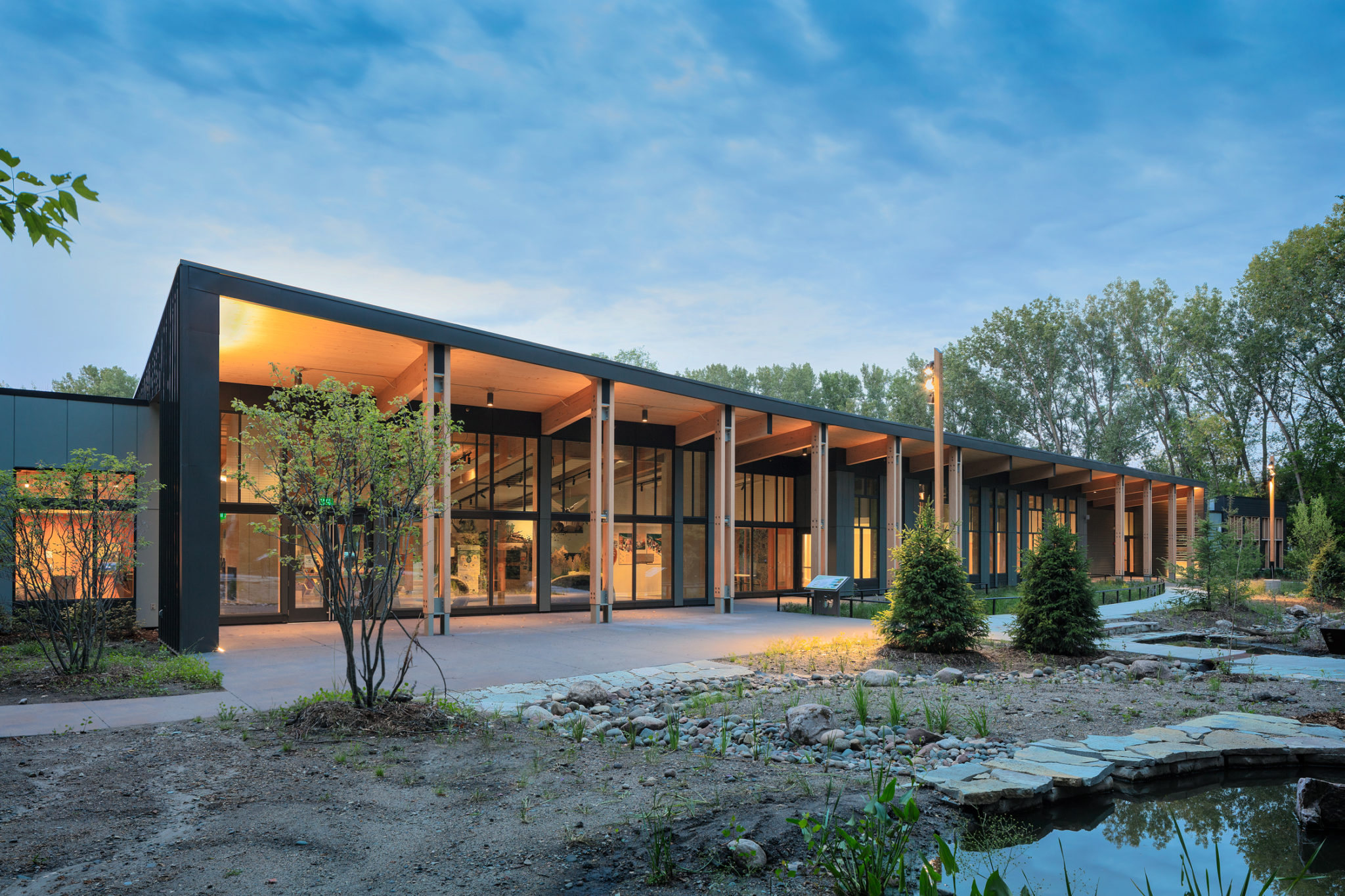
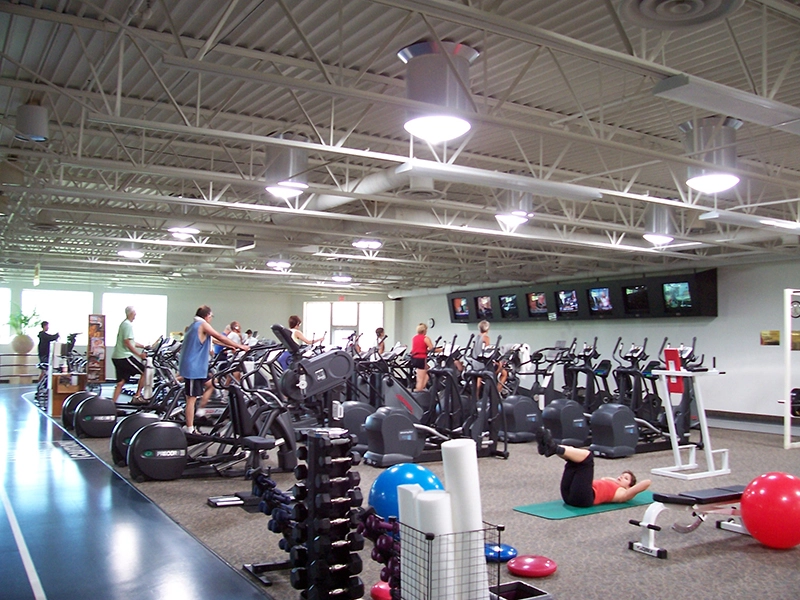
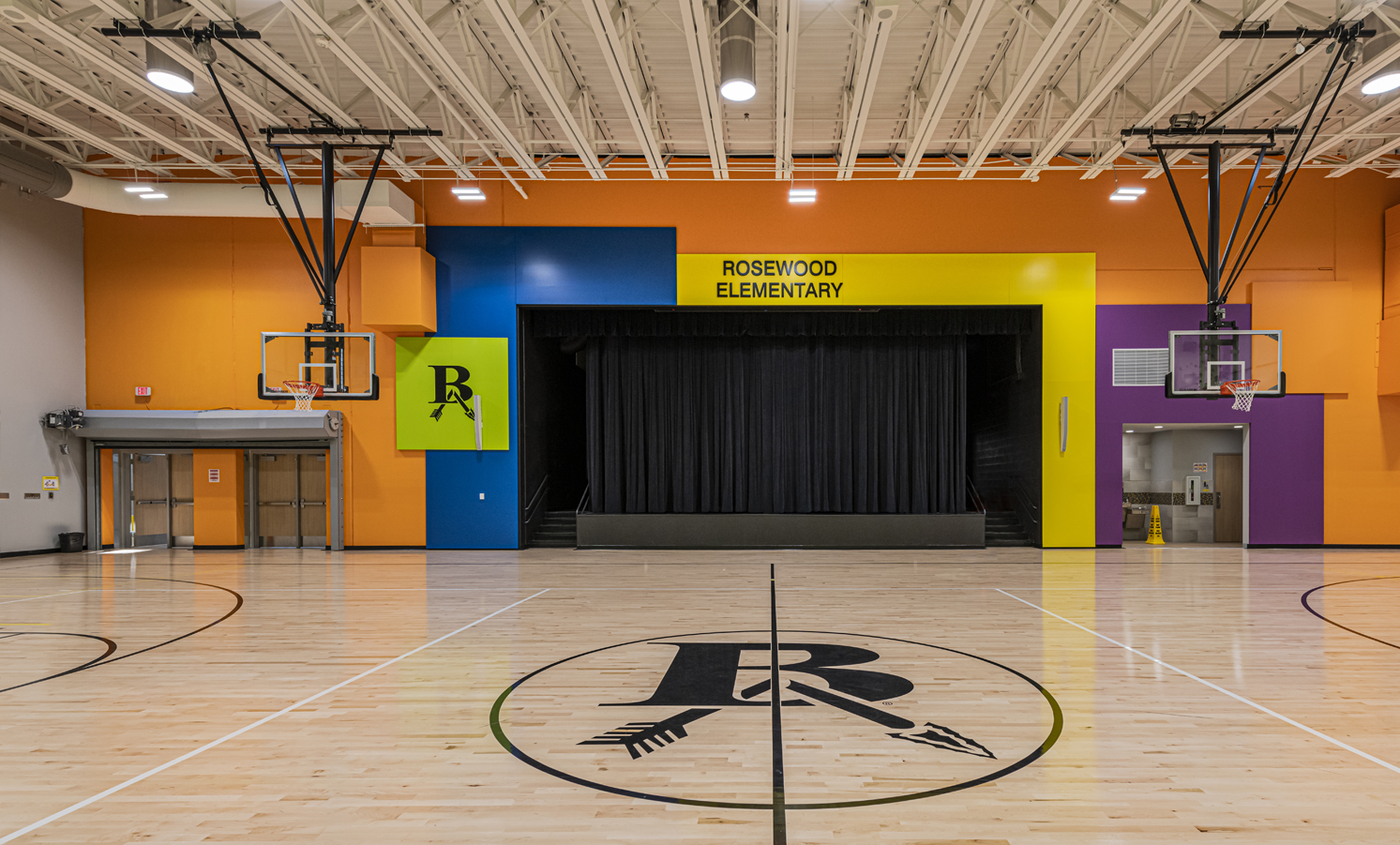
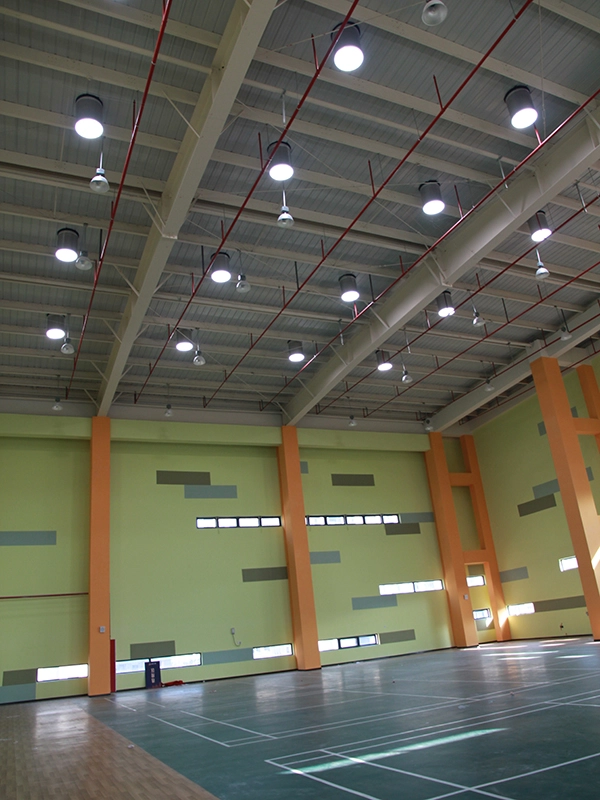
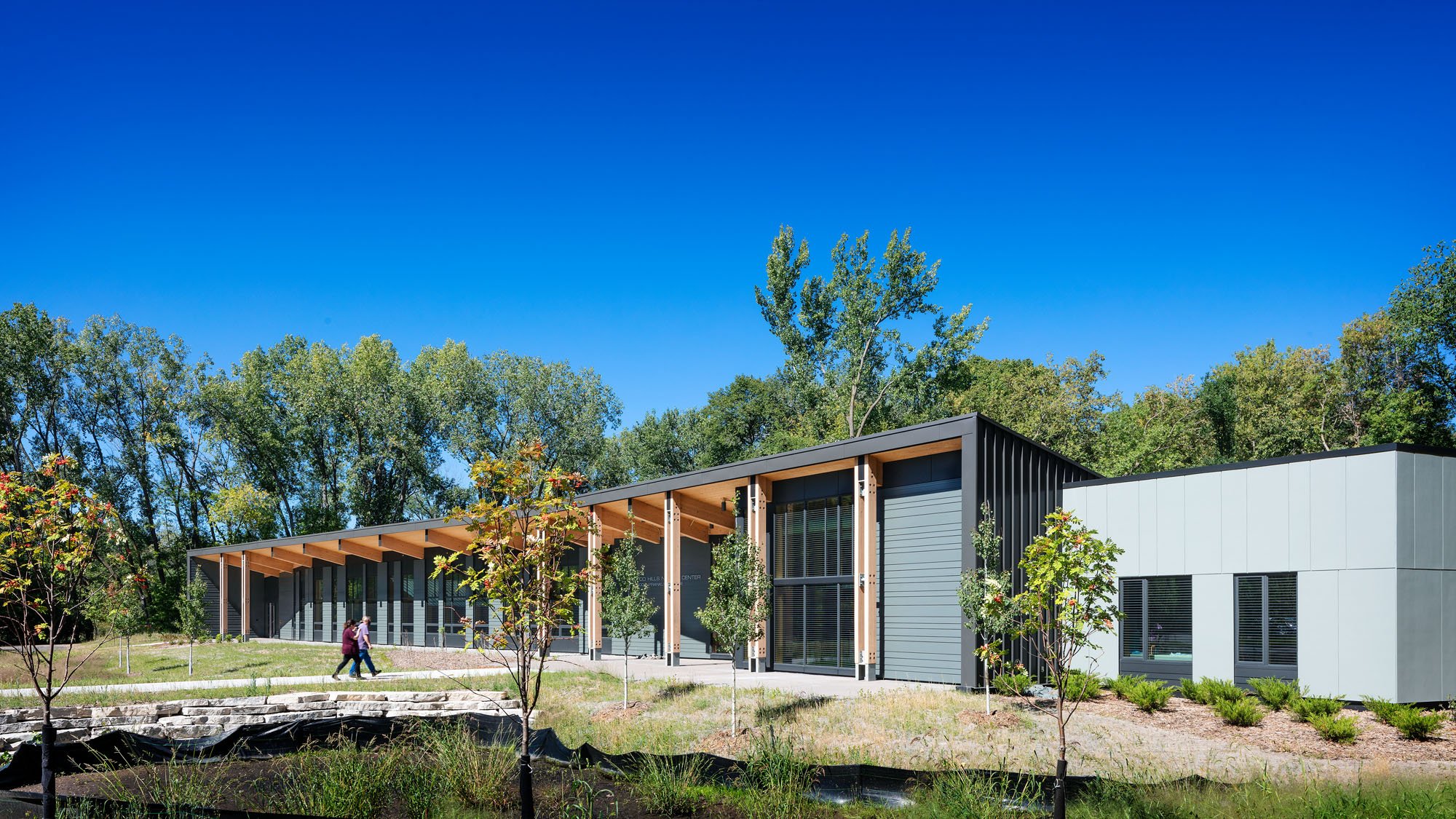
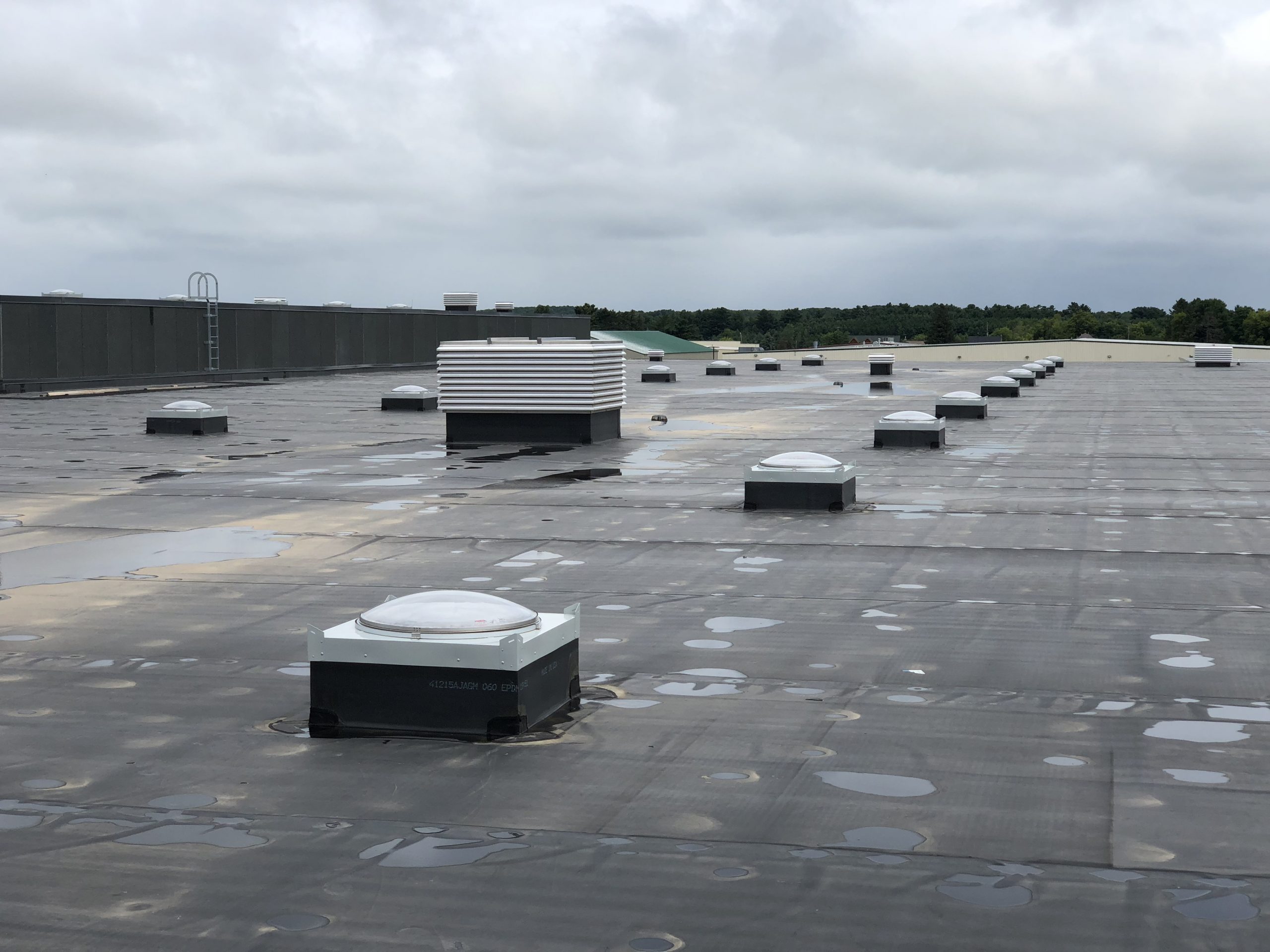
Explore some of our recent daylight projects:

Contact Daylight Specialists
Our experts offer daylighting solutions to help you reduce costs, achieve environmental sustainability goals, and create safer, more beautiful spaces for the community. To learn more about how daylighting and long-life LEDs can enhance public spaces, contact us!
Frequently Asked Questions
text
text
Why is daylighting important for parks and recreation facilities?
What types of parks and recreation facilities can benefit from daylighting?
Can daylighting affect the sustainability and environmental impact of parks and recreation facilities?
How does daylighting impact the user experience in parks and recreation facilities?
What are the potential challenges in implementing daylighting in parks and recreation facilities?
Can Daylight Specialists assist in implementing daylighting solutions in parks and recreation facilities?
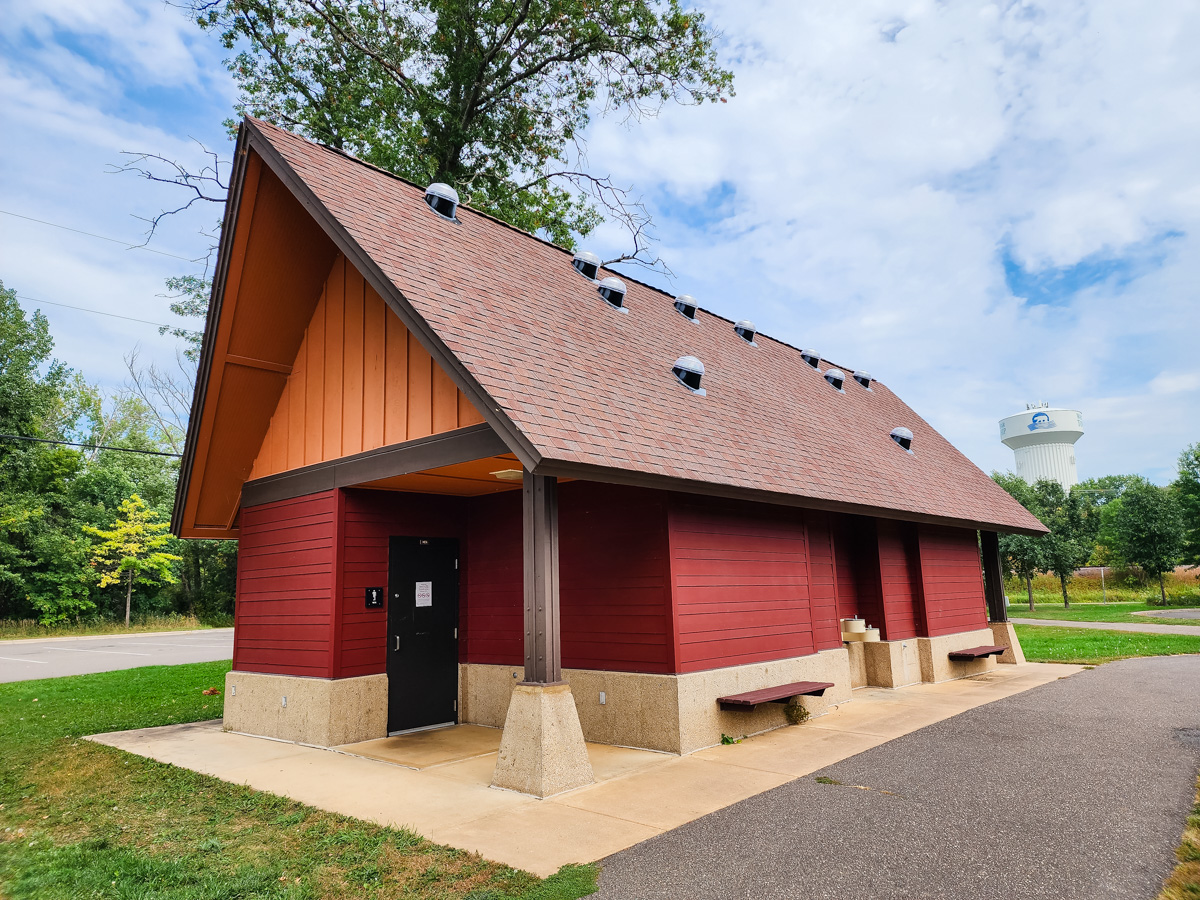

Daylight Specialists Expands Reach into Iowa as Official Solatube Commercial Distributor
At Daylight Specialists, we're thrilled to share some exciting news: our company has been appointed as the official commercial distributor for Solatube International in Iowa! This expansion is a significant milestone for us, building on our strong presence in...
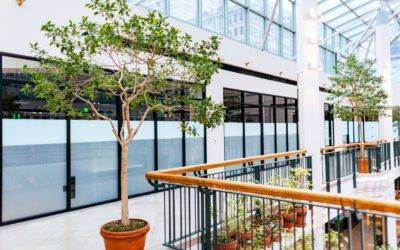
Daylighting and the Future of Green Building Certifications
As sustainability becomes more important in architectural design, natural light plays a larger role in green building certifications. Daylighting, the practice of using natural light to illuminate indoor spaces, is a key component in achieving these certifications. At...

Commercial Daylighting Myths: Separating Fact from Fiction
In commercial construction and architecture, daylighting brings many advantages, from saving energy to enhancing occupant well-being. Yet, despite its popularity, daylighting is often misunderstood, leading to confusion among architects, builders, and property owners....