
Government
Choose natural light
People who work and spend time in government buildings, from libraries to fire stations, can reap immediate and long-term benefits when those buildings are equipped with daylighting systems. Multiple scientific studies have concluded that sufficient natural light exposure is critical to our physical health, mood, memory, productivity, and overall wellness. Fortunately, bringing daylight into interior spaces without adequate natural light has never been easier or more cost effective.
All government buildings can benefit from daylighting, including:
- Libraries
- Government offices
- Police/fire stations
- Vehicle maintenance facilities
- Public utilities buildings
- Other municipal buildings
Benefits of Natural Daylighting
Daylighting has numerous benefits. With regard to government buildings, some of the most notable benefits include:
- Productivity increases by 18%
- Memory and overall mental function improve by up to 25%
- Better visibility
- Improved health
- Lower stress levels
- Improved mood and behavior
Why Governments Love Natural Daylighting
Whether the benefits of daylighting are being realized by a police officer or firefighter with lower stress levels and improved mental function, a student using the library to study for an exam, or an office worker in a municipal building, the ripple effects of these benefits are extraordinary.
In addition to the health and wellness benefits experienced by individuals working in and frequenting government buildings, there are extensive environmental and financial benefits. Buildings using daylighting see a drop in electricity costs, and daylighting also significantly reduces the building’s carbon footprint.
In addition to the health and wellness benefits, daylighting technologies can help government buildings comply with LEED certification or B3 green building standards that are often required in municipal structures. Our team at Daylight Specialists is familiar and well versed in green building standards and can work closely with you to meet your city’s requirements. We can help you meet your own design goals to brighten your space, while simultaneously achieving environmental objectives.
Daylighting Gallery: Government & Municipal




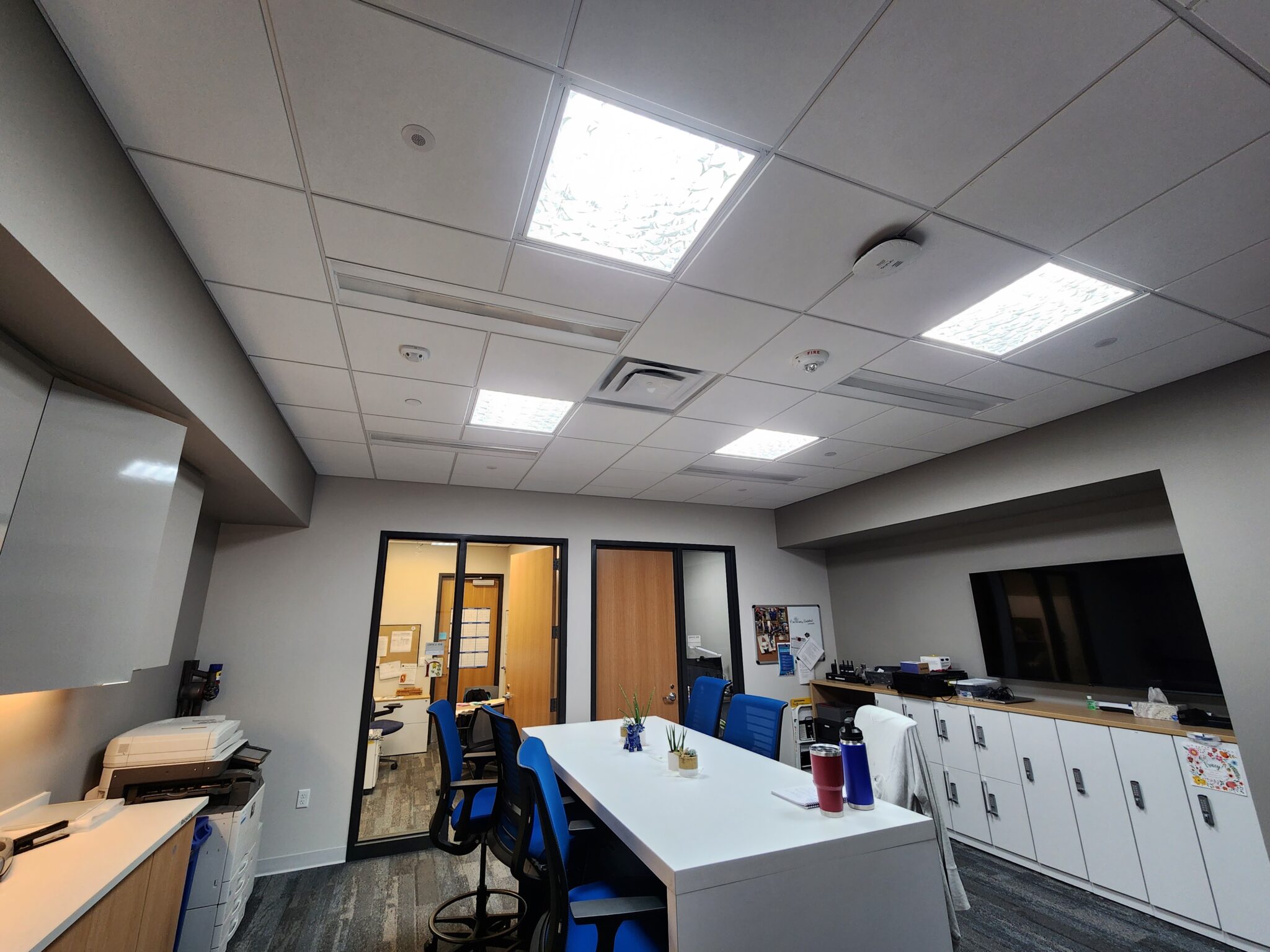
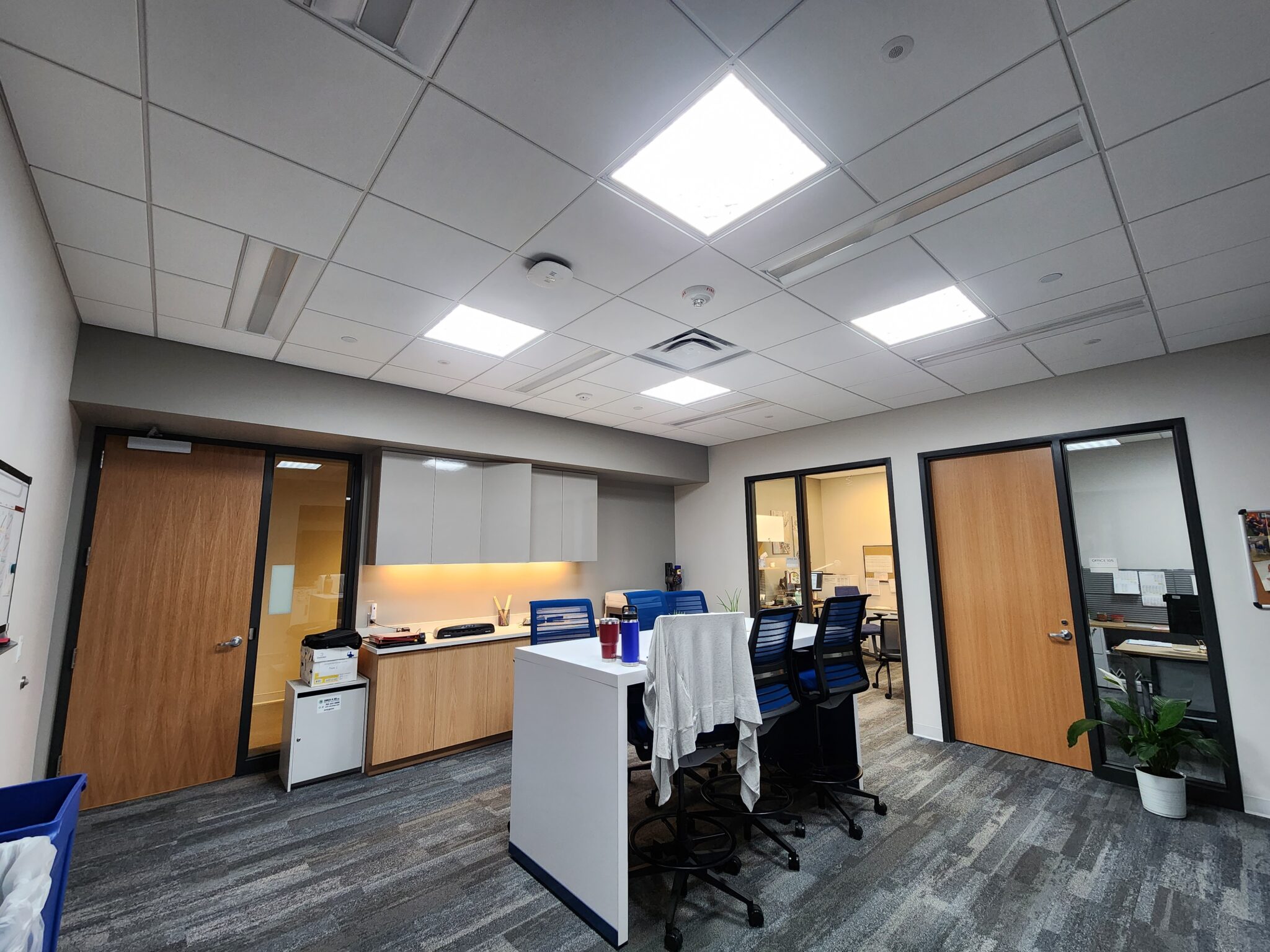


Contact Daylight Specialists
Government buildings with daylighting provide healthier environments for workers and visitors, increase worker productivity, reduce electricity costs, and protect the environment. To get an estimate and learn how daylighting can improve your space, contact us!
Frequently Asked Questions
text
text
Why is daylighting important for government facilities?
Are there specific regulations or guidelines for daylighting in government facilities?
What types of government facilities can benefit from daylighting?
How can daylighting contribute to energy savings in government facilities?
Can daylighting affect security and privacy in government buildings?
How does daylighting impact the indoor environment quality of government buildings?
Can Daylight Specialists assist in implementing daylighting solutions in government facilities?


Daylighting Innovation in Design and Architecture
In the evolving world of architecture, natural light has remained one of the most valued elements. From ancient temples to modern skyscrapers, daylight has always held the power to shape experiences, define spatial quality, and influence mood. Today, with an increased...

Crafting Aesthetic and Functional Spaces with Daylight
In today's architectural landscape, the interplay between light, space, and design has never been more critical. As buildings become smarter and sustainability more essential, natural daylighting is emerging as a key element in creating spaces that are both functional...

Why Iowa’s Climate Makes Daylighting a Smart Choice for Commercial Buildings
Iowa's climate, characterized by its mix of sunny days, moderate humidity, and distinct seasonal changes, presents a unique opportunity for commercial buildings to benefit from daylighting. Incorporating daylighting solutions not only reduces energy consumption but...